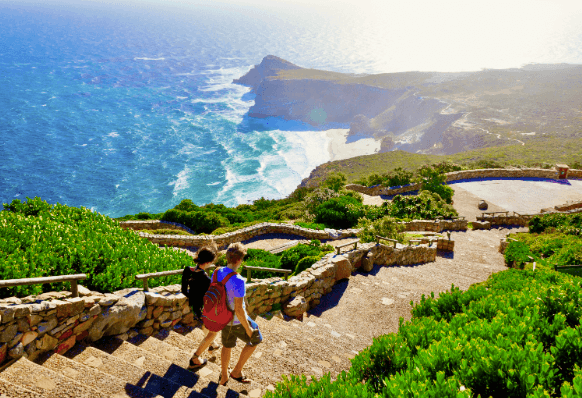
Johannesburg, often referred to as Jo’burg or Joburg, is the largest city in South Africa and is brimming with vibrant culture and historical significance. As the heart of the country’s economy, it offers a fascinating blend of modernity and tradition. Travelers can explore a variety of attractions, from the renowned Apartheid Museum, which provides an in-depth look into the country’s tumultuous past, to the lively neighborhood of Soweto, where the legacy of Nelson Mandela can be experienced firsthand. Additionally, the city’s art scene is thriving, with numerous galleries and street art that reflect both local and international influences. For those looking to enjoy a taste of local cuisine, Johannesburg boasts an array of restaurants and cafés that celebrate South African flavors, making it a truly diverse and appealing destination.
When planning your journey, convenience is a key consideration, and luckily, Cathay Pacific provides flight services from Tokyo To Johannesburg, making your travel experience seamless. The city’s airport, O.R. Tambo International, is well-connected, allowing travelers from around the globe to reach this outstanding metropolis with ease. Once you arrive, don’t miss out on visiting the iconic Maboneng Precinct, an area known for its creative vibes and bustling markets, perfect for those in search of unique souvenirs. For adventure seekers, the nearby Cradle of Humankind offers breathtaking hiking trails and the opportunity to explore ancient caves. Whether you’re an art enthusiast, a history buff, or an outdoor explorer, Johannesburg welcomes all with open arms, ensuring a memorable holiday experience enriched with diverse adventures.
Cradle of Humankind
Nestled just north of Johannesburg, South Africa, the Cradle of Humankind is a UNESCO World Heritage site that offers a profound glimpse into the origins of humanity. This extraordinary area, spanning over 47,000 hectares, is rich in limestone caves filled with an extensive array of hominin fossils, some dating back more than 3.5 million years. Visitors to the Cradle of Humankind are not only treated to breathtaking landscapes but also embark on an intellectual journey that highlights the evolutionary story of mankind. The site is a testament to the relentless curiosity of generations of scientists and explorers who have dedicated their lives to unearthing the mysteries of our past.
Among the key attractions in the Cradle of Humankind is the Sterkfontein Caves, renowned for yielding some of the oldest and most significant hominid fossils, including the famous Australopithecus africanus, nicknamed “”Mrs. Ples.”” These discoveries have shaped our understanding of human evolution, providing invaluable insights into our ancestors’ lives and environments. Tours through these remarkable caves immerse visitors in the ancient world, where they can witness the very sites that have yielded these significant findings, leaving them with a powerful connection to our shared heritage.
Beyond its archaeological significance, the Cradle of Humankind is also a biologically diverse ecosystem teeming with wildlife and plant life. Rolling hills, serene rivers, and rich vegetation provide a habitat for numerous species, making it an essential spot for eco-tourism. Visitors can engage in activities like hiking, bird watching, and guided tours, which foster a greater appreciation for the region’s natural beauty and ecological importance. The juxtaposition of both ancient history and vibrant ecosystems makes the Cradle a unique destination for tourists and nature lovers alike.
The Cradle of Humankind is more than just a historical site; it exemplifies the profound interconnection between humanity and the planet we inhabit. It serves as an invitation to reflect on our origins while encouraging stewardship of the Earth. A trip to this remarkable site promises not only adventure and exploration but also a deeper understanding of our place in the story of life on this planet. Visitors leave inspired, enriched, and with a lasting appreciation for the relentless march of evolution that led to the emergence of modern humans.
Lion & Safari Park
Nestled in the heart of South Africa’s breathtaking landscape, the Lion & Safari Park offers an unforgettable wildlife experience for visitors of all ages. Located just outside of Johannesburg, this 600-hectare reserve is home to a variety of animal species, including majestic lions, playful cheetahs, and elegant giraffes. With its commitment to wildlife conservation and education, the park provides a unique opportunity to observe these magnificent animals up close, all while contributing to vital conservation efforts.
One of the major highlights of the Lion & Safari Park is its interactive experiences. Visitors can embark on guided safaris that take them through the expansive grounds, allowing them to witness the animals in their natural habitats. The park offers self-drive options as well, providing a sense of adventure for those who prefer to explore at their own pace. For an even closer encounter, the park features unique experiences such as lion and cheetah interactions, where guests can safely engage with these incredible predators under the supervision of trained professionals.
In addition to its captivating wildlife encounters, the Lion & Safari Park also prioritizes educational programs. Guests have the opportunity to learn about various species, their behaviors, and the conservation challenges they face. The park often conducts workshops and talks, focusing on the importance of preserving Africa’s wildlife and ecosystems. These initiatives not only enhance the visitor experience but also play a critical role in fostering a sense of responsibility towards nature and wildlife protection.
The Lion & Safari Park is more than just a wildlife attraction; it is a sanctuary dedicated to the well-being of its residents. With a focus on responsible tourism, the park actively participates in breeding programs and rescue efforts for endangered species. Whether you’re a wildlife enthusiast seeking adventure or a family looking for an educational outing, the Lion & Safari Park promises an enriching and memorable experience while highlighting the beauty and fragility of South Africa’s wildlife heritage.
See also: Best Car Accident Lawyer In Houston: How To Choose The Right Legal Help
Johannesburg Botanical Gardens
Visiting the Johannesburg Botanical Gardens can be a delightful experience for nature lovers and city dwellers alike. Nestled in the leafy suburb of Emmarentia, this expansive green space offers a beautiful escape from the hustle and bustle of city life. To make the most of your visit, consider a few key tips that will enhance your experience in these stunning gardens.
First, plan your visit according to the season. The Johannesburg Botanical Gardens showcase an array of plant species that flourish throughout the year. Spring, typically from September to November, offers a vibrant display of blossoms, making it an ideal time to see the gardens in full bloom. Summer months provide lush greenery and the refreshing shade of mature trees, while autumn presents a tapestry of warm hues. Visiting during winter, though cooler, reveals the gardens’ unique structure and allows for peaceful strolls without the crowds.
Next, wear comfortable shoes and bring essentials such as water and sunscreen. The gardens span over 81 hectares, featuring walking trails, picnic spots, and various themed areas like the Rose Garden and the Indigenous Garden. Comfortable walking shoes will allow you to fully explore the diverse landscapes without discomfort. Staying hydrated and protected from the sun will ensure you enjoy your visit without feeling fatigued.
Lastly, don’t forget your camera! The Johannesburg Botanical Gardens are a photographer’s dream, offering countless opportunities to capture the beauty of nature. From close-ups of colorful flowers to panoramic shots of the tranquil lake, you’ll want to document the stunning surroundings. Additionally, consider visiting during the golden hours of early morning or late afternoon for the best lighting conditions. With these tips in mind, your trip to the Johannesburg Botanical Gardens will surely be a memorable and rejuvenating experience.
