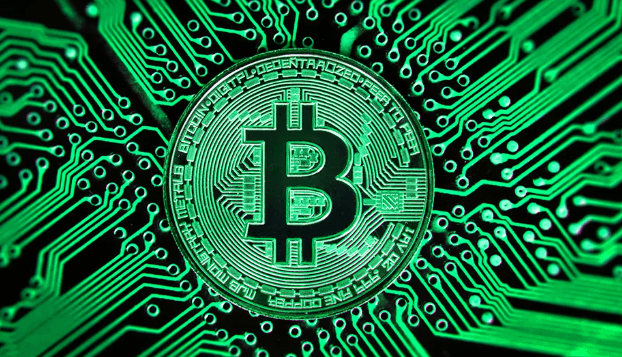
Cryptocurrency rests on cryptography and a distributed ledger that enables peer-to-peer value transfer without central authority. It relies on tokens, consensus protocols, and open networks that permit permissionless participation. Transactions are validated by network participants who package data into blocks and reach agreement through protocols. The system trades efficiency, security, and energy use, while governance and audits shape practical adoption. The ideas appear straightforward, but their real-world implications demand careful scrutiny as they unfold.
What Is Cryptocurrency and How It Works
Cryptocurrency is a digital or virtual form of money that relies on cryptography and a distributed ledger to enable peer-to-peer value transfer without centralized control.
The system comprises tokens, consensus protocols, and open networks, enabling permissionless participation.
Decentralized finance and blockchain governance illustrate potential, yet volatility, security concerns, and scalability questions demand rigorous scrutiny and measured adoption.
Performance data, audits, and governance designs guide cautious experimentation.
How Transactions Are Verified on the Blockchain
To verify a transaction on the blockchain, network participants collect, validate, and package data into blocks; this process rests on consensus mechanisms that ensure agreement on a single history.
Transaction validation, block propagation, and peer discovery reflect efficiency and risk.
Security pitfalls and network latency influence transaction fees, while smart contract risks and protocol complexity scrutinize reliability and future scalability.
Wallets, Mining, and Security Essentials
The analysis quantifies wallet security, contrasts hardware wallets with hot wallets, and evaluates resilience against breaches.
It scrutinizes mining incentives, energy usage, and governance signals, emphasizing transparent risk assessments while remaining consistent with a freedom-oriented, data-driven perspective.
Risks, Opportunities, and Everyday Use Cases
Despite growing adoption, a careful appraisal reveals a mixed landscape of risks and opportunities, with real-world use cases constrained by volatility, regulatory uncertainty, and operational fragility.
The analysis emphasizes quantified risk–reward, noting privacy implications and regulatory uncertainties shape adoption.
Opportunities persist in remittance, microtransactions, and programmable finance, yet scalability, governance, and security governance gaps require disciplined, data-driven evaluation before broad consumer deployment.
See also: The Final Thoughts on Cryptocurrency Trends
Frequently Asked Questions
How Do Different Cryptocurrencies Differ in Purpose and Technology?
Differences arise from purpose and technology: different networks, consensus mechanisms, and smart contracts shape utility, security, and speed; token standards define interoperability. Skeptically, governance and data models vary, influencing scalability, privacy, and decentralization, with freedom-seeking audiences weighing risk versus potential.
What Governs Cryptocurrency Price Volatility in Simple Terms?
What governs cryptocurrency price volatility in simple terms? Volatility drivers and market psychology interact data-drivenly; price swings reflect supply-demand imbalances, liquidity, and trader sentiment. The skeptical analyst notes freedom-seeking participants amplify volatility, challenging stable valuation amid uncertain, evolving ecosystems.
Can I Recover Lost Funds From a Compromised Wallet?
Recovery options exist but are limited; lost funds from a compromised wallet are often unrecoverable. The analysis notes uncertain outcomes, legal considerations vary, and skeptics should weigh security improvements against recoveries before assuming restoration.
How Do Tax Authorities Treat Crypto Transactions Globally?
Tax authorities treat crypto transactions variably, with tax compliance emphasis, regulatory classification debates, and evolving crypto taxation rules; cross border rules create jurisdictional complexity, while data-driven analyses remain skeptical about uniform enforcement and freedom-friendly interpretations.
What Are Common Signs of Crypto Scams to Avoid?
Shrewd signs suggest scams: signaling suspicious sudden surges, sensational promises, and suspicious withdrawals. Data-driven skepticism highlights signing scams and phishing sites; safeguarding steps show scrutiny, verification, and vigilant verification processes for freedom-loving, wary observers.
Conclusion
Cryptocurrency resembles a shifting mosaic, each tile glinting with potential while edges blur under uncertainty. Data shows rapid innovation alongside persistent volatility, security breaches, and energy debates. The ledger’s glow offers transparency, yet governance remains fragmentary and often opaque to outsiders. In this landscape, rewards tempt as risks multiply: scalable networks, vulnerable wallets, and evolving regulations. For the discerning observer, prudent adoption hinges on verifiable metrics, disciplined risk management, and sustained scrutiny of cost, utility, and long-term viability.
